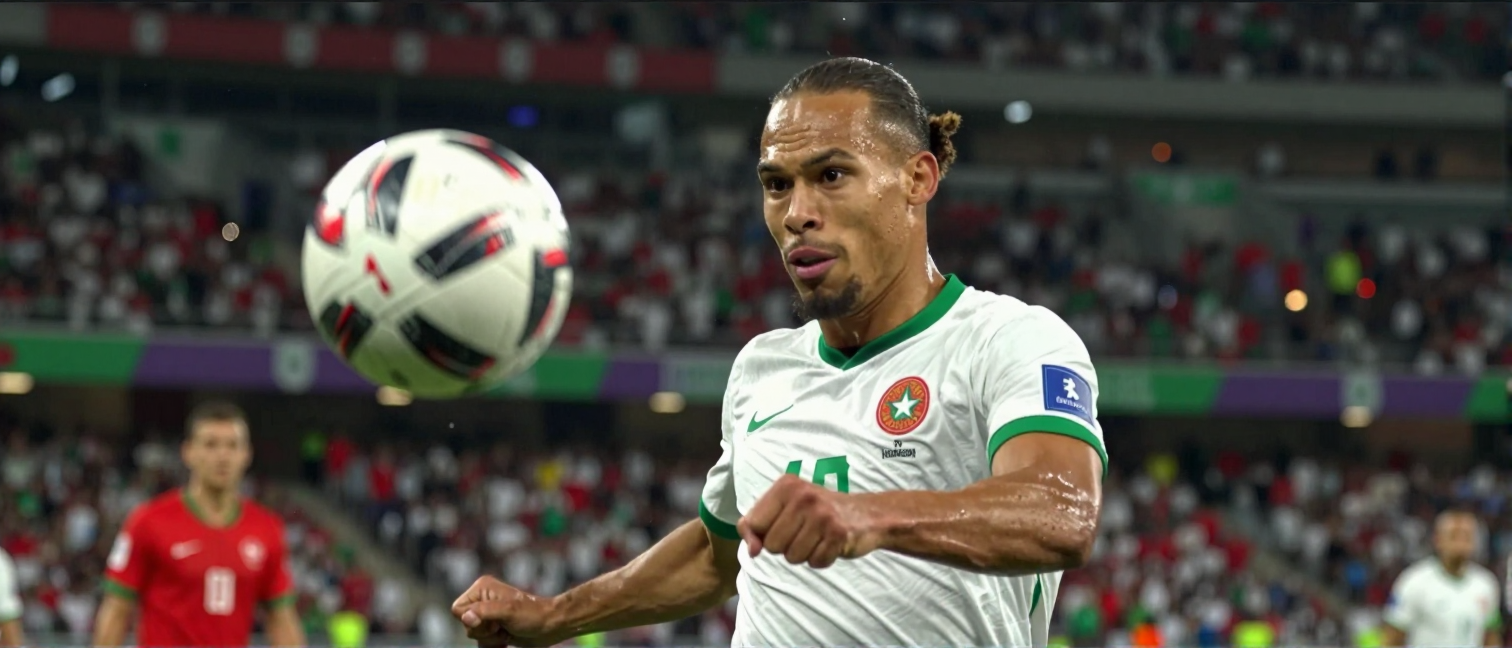
Virgil van Dijk saw the Netherlands eliminated on 30 June 2026 when Morocco won the penalty shoot‑out after a 1‑1 draw at Monterrey Stadium, leaving Dutch fans and pundits to dissect his performance and leadership.
How did the match unfold?
The round‑of‑16 clash saw Cody Gakpo give the Netherlands the lead in the 72nd minute, only for Morocco to equalise before full‑time. The dead‑lock forced a shoot‑out where Crysencio Summerville, Quinten Timber and Justin Kluivert all missed their spot‑kicks. Van Dijk stepped up for a penalty but chose not to take it, a decision that sparked immediate debate.
What did the Dutch media say?
Voetbal Primeur rated the Liverpool captain 6.5/10, noting his calm presence but lamenting his refusal to join the takers, recalling his miss against Argentina four years earlier. Voetbal International was harsher, handing him a 5/10 and labeling him alongside Nathan Ake as the “worst scoring player”. Both outlets highlighted his otherwise solid defensive numbers – 91% pass accuracy, 100% ground‑duel success, six clearances and two recoveries – yet they argued his impact in the final third was negligible.
Why does this matter for Van Dijk’s reputation?
At Liverpool, Van Dijk is often praised for decisive tackles and aerial dominance. The World Cup stage, however, exposed a different side of his game. Critics argue that a captain’s influence should extend beyond defending, especially in high‑pressure moments like a shoot‑out. The Dutch press’s focus on his lack of a penalty attempt suggests a growing expectation that he lead by example in every facet of play.
What could be next for the Liverpool defender?
With the Netherlands out, Van Dijk returns to Anfield for Liverpool’s Premier League campaign. The criticism may serve as motivation; his passing and duel stats indicate he still commands the back line effectively. Yet the media narrative now includes a question mark over his willingness to shoulder scoring responsibilities when the team needs it most.
How did the statistics reflect his performance?
Data from FotMob shows Van Dijk recorded no chances created or shots taken, confirming the media’s point about his limited offensive contribution. Defensively, his six clearances and two recoveries helped keep the score level, and his 91% pass completion rate shows he remained reliable in distribution.
What does this mean for the Dutch squad?
Ronald Koeman’s side will have to regroup quickly. The loss underscores the fine margins in knockout football and the pressure on senior players to deliver in every scenario. Van Dijk’s mixed review may influence future captaincy decisions, especially if the Netherlands aim to avoid similar exits in upcoming tournaments.
How will fans react?
Supporters expressed disappointment on social media, echoing the press’s sentiment that Van Dijk’s decision not to take a penalty felt like a missed leadership moment. Yet many also defended his defensive work, reminding followers that his primary role remains protecting the goal.
The story of Van Dijk’s World Cup night is still unfolding, and the next few weeks at Liverpool will reveal whether he can turn criticism into a catalyst for stronger performances.